Leaderboard Analytics Guiding Deposit Patterns Across Regulated Virtual Card Networks
Morgan Griffin · Oct 24, 2026
Leaderboard Analytics Guiding Deposit Patterns Across Regulated Virtual Card Networks
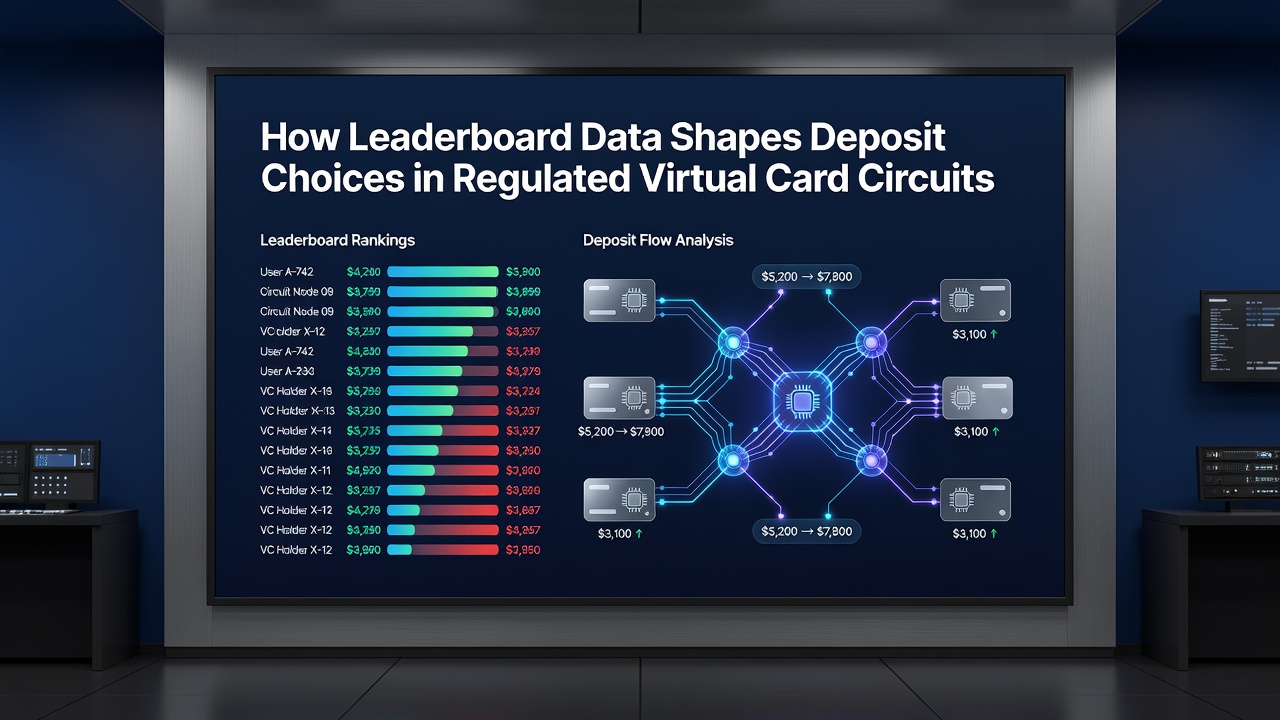
Leaderboard data now plays a central role in how participants select deposit methods within regulated virtual card circuits, where transparent metrics on player performance and platform activity influence funding decisions on a daily basis. Operators track these rankings closely because they reveal patterns in transaction volumes, preferred payment rails, and timing of deposits that align with competitive positioning. Data indicates that players who monitor their standing on leaderboards often adjust deposit amounts and channels to maintain or improve their rank, creating measurable shifts in funding behavior across multiple jurisdictions.
Performance Metrics and Funding Timing
Studies from the Alcohol and Gaming Commission of Ontario show that leaderboard positions correlate strongly with deposit frequency during peak ranking periods, particularly when monthly resets approach and participants seek to secure higher tiers. Those who review daily or weekly standings tend to favor instant transfer options that allow rapid re-entry into events, while slower methods drop in usage among top-ranked users. This pattern emerges because real-time visibility into standings encourages quicker funding cycles, and operators respond by highlighting payment methods that process within minutes rather than hours.
October 2026 figures from several North American platforms reveal an uptick in same-day deposits among mid-tier players who monitor leaderboard movement closely, as the data allows them to time contributions ahead of qualification windows. Researchers note that this behavior concentrates around specific ranking thresholds where small deposit increases can shift a player several spots, prompting more deliberate choices in payment speed and fee structures.
Regional Regulatory Influences on Deposit Selection
Regulatory frameworks in different regions shape how leaderboard information reaches players and subsequently affects their deposit preferences. The Nevada Gaming Control Board requires platforms to display verified performance data that includes transaction histories tied to rankings, which in turn guides users toward compliant, auditable funding sources. In contrast, the Australian Gambling Research Centre reports that participants in regulated circuits there often prioritize methods with built-in spending controls when leaderboard visibility highlights high-volume activity among peers.
One analysis of cross-border platforms found that players exposed to standardized leaderboard statistics adjust their deposit choices based on regional availability of instant verification tools, leading to higher adoption of e-wallet options in markets where regulators mandate quick settlement reporting. This adjustment occurs because the data makes visible the advantages of methods that clear before the next ranking update, reducing the risk of missed qualification opportunities.
Payment Protocol Shifts and Player Response
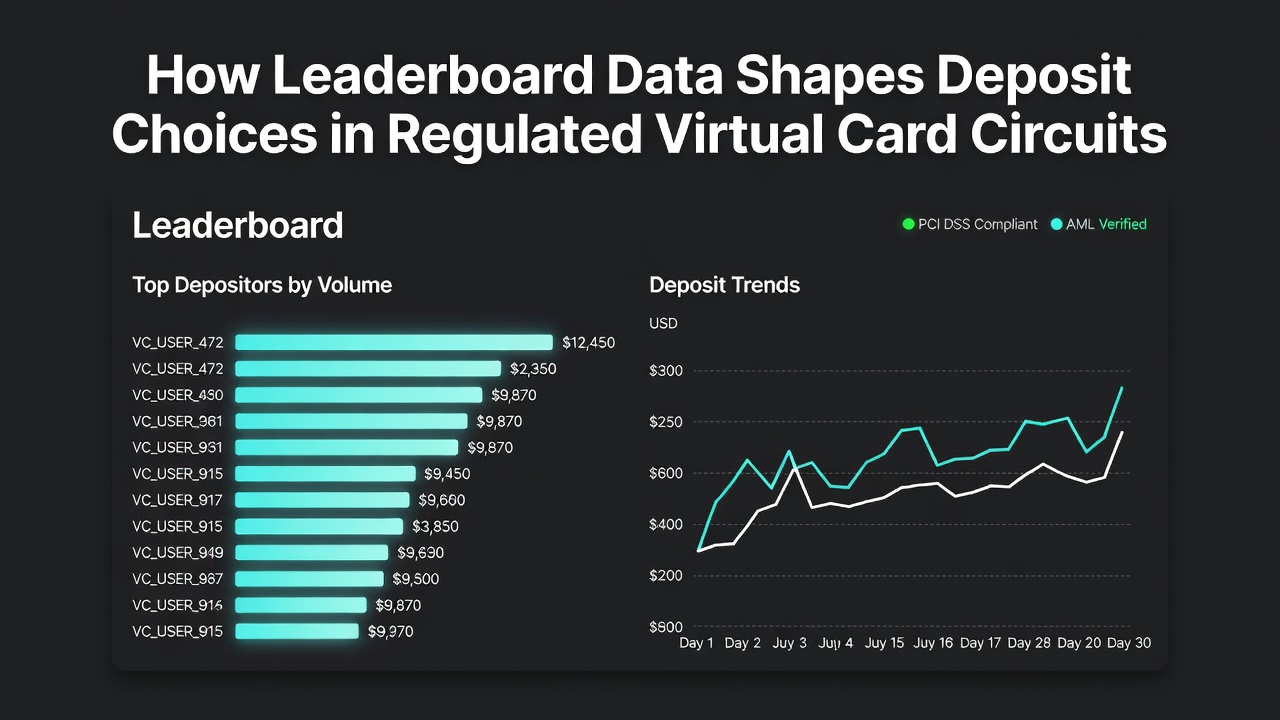
Platforms that integrate leaderboard data with payment dashboards see participants migrate toward methods that offer both speed and detailed transaction logging, as these features support ongoing rank verification. Evidence from industry reports compiled by the University of Nevada, Reno indicates that users in the upper quartile of leaderboards consistently select deposit options with lower failure rates, since repeated declines can temporarily stall progress and affect standing. Lower-ranked players, meanwhile, experiment more with newer payment rails when the data shows successful funding stories from similar positions.
What's interesting is how certification standards feed into this cycle: once a payment method receives regulatory approval and appears in aggregated leaderboard statistics, adoption rates climb among players who track their relative performance. Observers note that this creates a feedback loop where visible success stories tied to specific deposit channels reinforce their selection in subsequent funding rounds.
Strategic Adjustments Among Ranked Competitors
Competitors who study leaderboard trends often refine their deposit strategies around event calendars and ranking periods, choosing channels that minimize processing delays during high-stakes qualification phases. Data compiled across multiple circuits shows that deposit volumes through verified instant methods rise noticeably in the days leading up to leaderboard snapshots, while traditional bank transfers see reduced activity among those aiming to climb quickly. This shift happens because the public nature of rankings makes the timing of each funding decision more consequential for overall placement.
Those who've examined transaction logs alongside performance metrics find that players frequently align their chosen deposit limits with the spending patterns displayed by higher-ranked users, creating indirect influence on individual choices. Regulatory bodies in multiple regions continue to monitor these dynamics to ensure that leaderboard visibility does not inadvertently pressure participants into funding patterns outside established responsible gaming guidelines.
Conclusion
Leaderboard data continues to shape deposit choices in regulated virtual card circuits by providing clear, comparable metrics that players use to time and select their funding methods. As platforms refine how they present performance information alongside payment options, the connection between rankings and deposit behavior grows more pronounced across different regulatory environments. Ongoing collection of transaction and ranking statistics will likely sustain this influence, with operators and regulators alike tracking the resulting patterns in player activity.